
Introduction

Expert Feasibility Studies for Outdoor Hospitality
Data-driven insights for glamping, RV resorts, and campgrounds
A feasibility study is one of the most critical documents you'll need when developing or investing in an outdoor hospitality property. Whether you're planning a glamping resort, RV resort, or campground, a comprehensive feasibility study provides the foundation for informed decision-making, secures financing, and guides your project's success.
This complete guide covers everything you need to know about feasibility studies for outdoor hospitality projects. From understanding what a feasibility study is to choosing the right consultant, we'll walk you through every aspect of the process.
Sage Outdoor Advisory has completed over 350 feasibility studies and appraisals in the outdoor hospitality industry. Our expertise spans glamping resorts, RV parks, campgrounds, and related properties across the United States. This guide draws from our extensive experience to provide you with comprehensive, actionable information. For current industry trends and market insights that inform feasibility studies, see our 2025 Outdoor Hospitality Industry Overview[1] blog post.
What is a Feasibility Study?
A feasibility study is a comprehensive analysis that evaluates the viability, market potential, and financial prospects of a proposed outdoor hospitality project. It serves as a critical decision-making tool that helps developers, investors, and lenders understand whether a project is worth pursuing, what risks exist, and how to maximize success.
Think of a feasibility study as a detailed roadmap for your project. It examines multiple dimensions:
- Market Analysis: Understanding demand, competition, and market dynamics in your target area
- Financial Projections: Revenue forecasts, operating expenses, and profitability analysis
- Site Suitability: Evaluating location, accessibility, zoning, and development requirements
- Risk Assessment: Identifying potential challenges and mitigation strategies
- Strategic Recommendations: Actionable insights for optimizing your project
Unlike a simple market research report, a feasibility study provides a holistic view of your project's potential success. It combines quantitative financial analysis with qualitative market insights to create a comprehensive evaluation.
Feasibility Study vs. Market Analysis vs. Appraisal
It's important to understand the differences between these three types of analyses:
Market Analysis: A market analysis analyzes supply and demand trends in a particular market and is typically a good first step in determining the potential for a viable project. It focuses on broader market dynamics, including competitor analysis, occupancy trends, and rate positioning, without tying the findings to a specific site.
Feasibility Study: A feasibility study includes the components of a market analysis but is tailored to a specific site. It incorporates detailed projections for revenue, operating expenses, and construction costs, and evaluates key financial metrics such as return on equity and debt service coverage. Feasibility studies are typically used to guide investment decisions or secure financing for new developments or expansions.
Appraisal: An appraisal is similar in scope to a feasibility study but instead determines the market value of a property. Rather than focusing on investor returns, the appraisal provides a professional opinion of value based on market conditions and comparable properties. Appraisals can reflect the value of a property "as is," "as permitted but not yet built," "as complete," or "as stabilized," and are commonly used for lending, acquisitions, or internal decision-making.
For outdoor hospitality projects, feasibility studies are particularly important because these properties have unique characteristics that require specialized analysis. Traditional hospitality feasibility studies may not adequately address the nuances of glamping resorts, RV parks, or campgrounds.
What Makes Sage Outdoor Advisory's Feasibility Studies Different?
We've completed over 300 outdoor hospitality projects across North America. Our proprietary data on rates, occupancy, and trends – combined with deep industry experience – ensures that your project is built on real market insight. This extensive track record means we understand the unique dynamics of glamping resorts, RV parks, and campgrounds, allowing us to provide more accurate and actionable feasibility studies.
Do I need land before starting a feasibility study? Not necessarily. While having a parcel in mind is helpful, we can also assess multiple candidate sites or advise on ideal site criteria to guide your land acquisition strategy.
Why You Need a Feasibility Study
A feasibility study serves multiple critical purposes in the development and financing of outdoor hospitality projects:
Securing Financing
Banks and lenders require feasibility studies to assess project risk and viability. A comprehensive, bank-approved feasibility study significantly increases your chances of securing financing. Lenders need to understand:
- Market demand for your property type
- Realistic revenue projections
- Operating expense expectations
- Competitive positioning
- Project risks and mitigation strategies
Informed Decision-Making
Before committing significant capital to a project, you need objective analysis of its viability. A feasibility study helps you:
- Validate your business concept
- Understand market dynamics
- Identify potential challenges early
- Optimize project scope and design
- Make data-driven decisions
Risk Mitigation
Outdoor hospitality projects involve substantial investment and risk. A feasibility study identifies potential risks before you commit resources, allowing you to:
- Address challenges proactively
- Avoid costly mistakes
- Develop contingency plans
- Optimize project design for success
Investor Confidence
If you're seeking investors or partners, a professional feasibility study demonstrates your commitment to due diligence and provides objective analysis that builds confidence in your project.
Types of Feasibility Studies by Property Type
Feasibility studies are tailored to specific property types within the outdoor hospitality industry. Each property type has unique characteristics, market dynamics, and considerations:
Glamping Resort Feasibility Studies
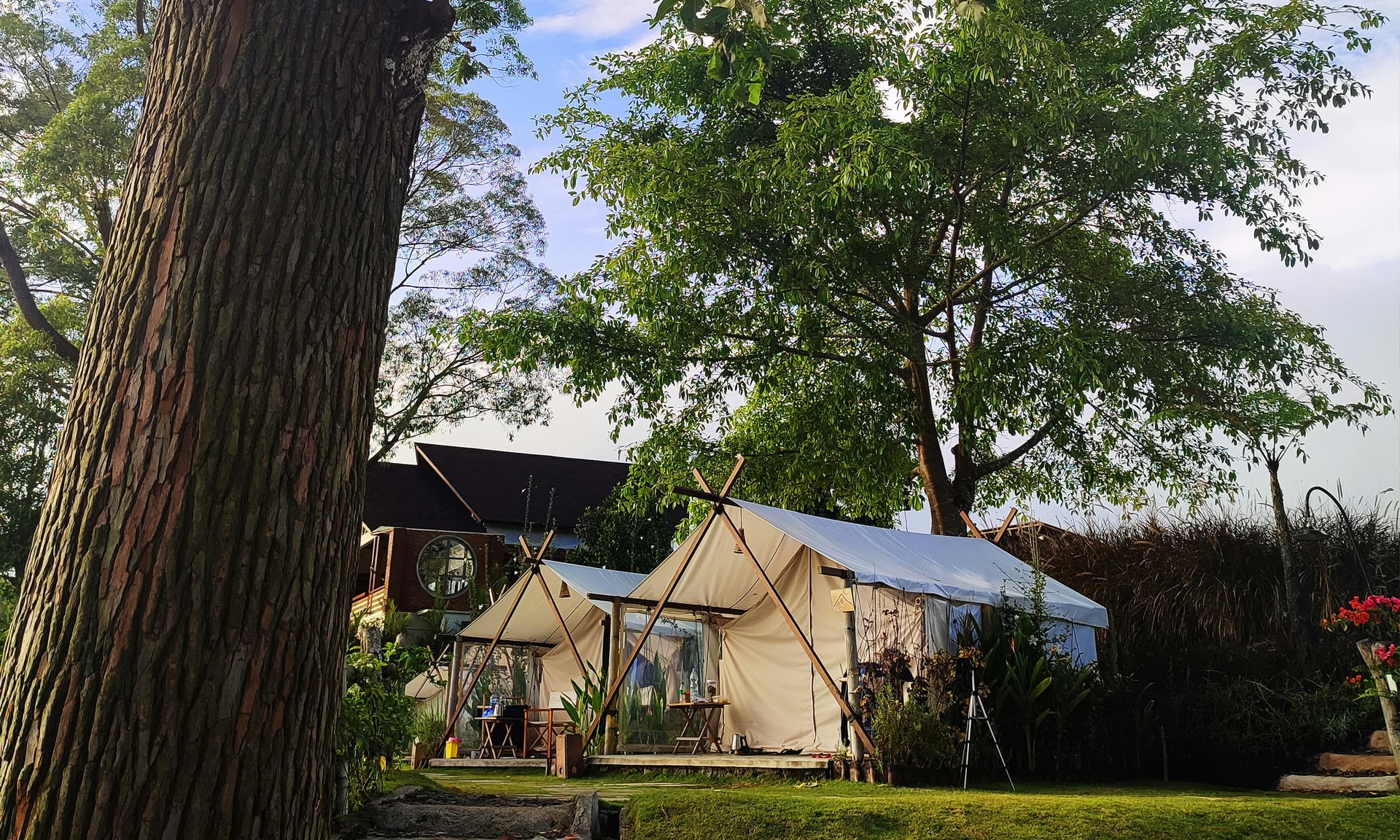
Glamping feasibility studies analyze the viability of glamping resort developments. These studies focus on:
- Accommodation mix optimization (yurts, A-frames, safari tents, etc.)
- Premium pricing potential and ADR expectations
- Seasonal demand patterns
- Amenities that drive bookings and revenue
- Experiential tourism trends

Yurts

A-Frames
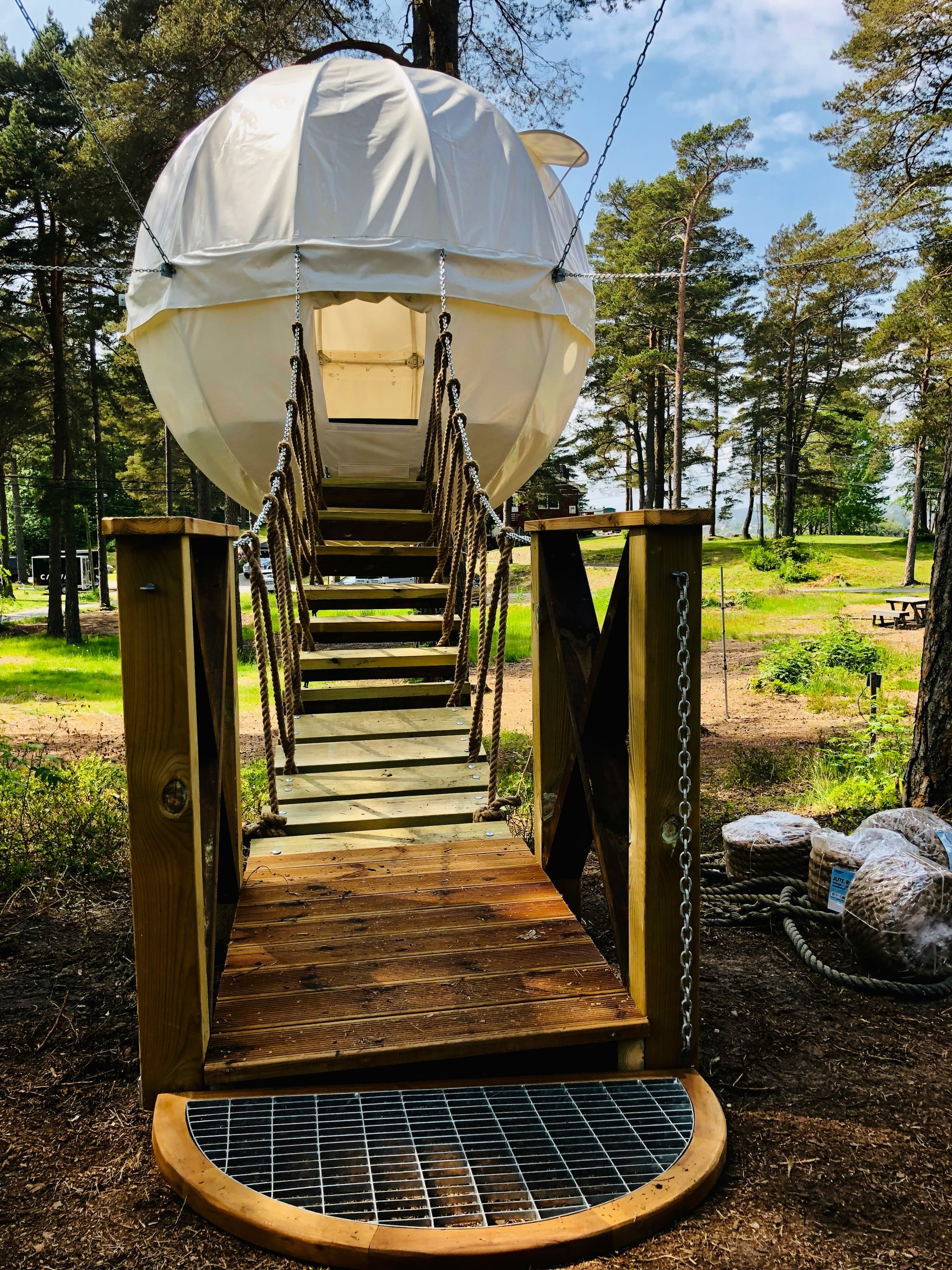
Treehouses
RV Resort Feasibility Studies
RV resort feasibility studies evaluate the potential for RV resort developments. Key focus areas include:
- Site density and layout optimization
- Amenity requirements and cost-benefit analysis
- Long-term versus short-term stay dynamics
- Seasonal patterns and snowbird markets
- Competitive positioning among existing RV parks
Campground Feasibility Studies
Campground feasibility studies assess traditional campground developments. These studies examine:
- Market demand for traditional camping experiences
- Site requirements and development costs
- Recreational vehicle and tent site mix
- Operating model and expense structure
- Competitive landscape and differentiation opportunities
While all feasibility studies follow similar methodologies, each property type requires specialized knowledge and analysis techniques. Working with a consultant who understands the nuances of your specific property type is essential.
What's Included in a Feasibility Study
A comprehensive feasibility study for outdoor hospitality projects typically includes the following components:
Executive Summary
A high-level overview of key findings, recommendations, and conclusions. This section provides decision-makers with essential information at a glance.
Market Analysis
Detailed examination of the market environment, including:
- Demand drivers and market trends
- Target market demographics and psychographics
- Visitor spending patterns
- Seasonal demand variations
- Market growth projections
Competitive Analysis
Assessment of existing and proposed competitive properties, including:
- Competitor identification and evaluation
- Competitive positioning analysis
- Pricing strategies and occupancy rates
- Strengths and weaknesses assessment
- Market gap identification
Financial Projections
Detailed financial modeling including:
- Revenue projections by source
- Occupancy rate forecasts
- Operating expense estimates
- Cash flow projections
- Net operating income (NOI) analysis
- Return on investment (ROI) calculations
Site Analysis
Evaluation of the proposed site, including:
- Location attributes and accessibility
- Zoning and regulatory requirements
- Environmental considerations
- Infrastructure requirements
- Development cost estimates
Risk Assessment
Identification and analysis of project risks, including:
- Market risks
- Financial risks
- Regulatory risks
- Operational risks
- Risk mitigation strategies
Strategic Recommendations
Actionable recommendations for optimizing project success, including:
- Optimal project scope and scale
- Recommended amenities and features
- Pricing strategies
- Marketing approaches
- Development phasing recommendations
The depth and detail of each section varies based on project complexity, scope, and client needs. A bank-approved feasibility study typically requires comprehensive detail in all areas to satisfy lender requirements.
How to Read a Feasibility Study
Understanding how to read and interpret a feasibility study is crucial for making informed decisions. Here's a step-by-step guide to navigating the key sections effectively:
1. Start with the Executive Summary
The executive summary provides a high-level overview of findings and recommendations. Read this first to understand the overall assessment of your project's viability. This section will give you a quick understanding of:
- Key findings and conclusions
- Primary recommendations
- Overall project viability assessment
2. Review Market Analysis Thoroughly
The market analysis section provides essential context for financial projections. Pay close attention to:
- Demand drivers: What's creating demand in your market?
- Competitive positioning: How does your project compare to existing properties?
- Market trends: Is the market growing or declining?
- Target demographics: Who are your potential customers?
- Seasonal patterns: How does demand vary throughout the year?
3. Examine Financial Projections Carefully
Financial projections are the heart of a feasibility study. These projections should be realistic and well-supported by the market analysis. Key metrics to understand:
- Revenue Projections: Are they realistic based on market analysis and competitive positioning?
- Occupancy Rates: Compare projected rates to competitive properties—are they achievable?
- Operating Expenses: Are expense ratios appropriate for your property type? Compare to industry benchmarks.
- Cash Flow: When does the project become cash flow positive? Is this timeline realistic?
- Return on Investment: What returns can you expect, and how do they compare to alternative investments?
4. Assess Risk Factors
Every project has risks. A comprehensive feasibility study should identify potential risks and provide mitigation strategies. As you review the risk assessment:
- Understand what risks are identified
- Evaluate how risks are being mitigated
- Consider whether mitigation strategies are adequate
- Assess your ability to manage identified risks
5. Evaluate Strategic Recommendations
The strategic recommendations section provides actionable insights for optimizing your project. When reviewing recommendations:
- Consider which recommendations align with your vision and capabilities
- Prioritize recommendations based on impact and feasibility
- Understand how implementing recommendations could improve project viability
- Evaluate the cost and effort required for each recommendation
For a more detailed guide on interpreting feasibility studies, see our comprehensive how to read a feasibility study guide.
Feasibility Study vs. Appraisal: Understanding the Difference
Many people confuse feasibility studies and appraisals, but they serve different purposes:
Feasibility Study
A feasibility study evaluates whether a proposed project is viable and profitable. It answers questions like:
- Should I build this project?
- What will the revenues and expenses be?
- What are the risks?
- How can I optimize the project?
Feasibility studies are forward-looking and focus on a project that doesn't yet exist.
Appraisal
An appraisal determines the current value of an existing property. It answers questions like:
- What is this property worth today?
- What is the fair market value?
- What would it cost to replace this property?
Appraisals are present-focused and evaluate existing properties.
When Do You Need Each?
You need a feasibility study when:
- Planning a new development
- Expanding an existing property
- Evaluating an acquisition opportunity
- Securing development financing
You need an appraisal when:
- Securing financing for an existing property
- Buying or selling a property
- Refinancing
- Determining insurance value
For development projects, you typically need both: a feasibility study to validate the project concept, and an appraisal to determine the property value after development.
Learn more about the differences in our feasibility study vs appraisal comparison guide.
Timeline and Process
Understanding the feasibility study process and timeline helps you plan effectively and set appropriate expectations.
Typical Timeline
Our feasibility studies typically take between 4 to 8 weeks to complete, depending on the size and complexity of the property. This timeframe allows us to thoroughly review market data, inspect the property, and prepare a detailed, accurate report.
Timelines vary based on:
- Project complexity
- Market data availability
- Client responsiveness
- Scope of analysis
- Property size and number of sites or units
For a more specific timeline based on your project, please contact our team—we're happy to discuss your feasibility study needs.
Feasibility Study Process
The typical process includes these phases:
Phase 1: Project Kickoff and Information Gathering (Week 1)
- Initial consultation and project understanding
- Site visit and evaluation
- Information gathering from client
- Project scope definition
Phase 2: Market Research and Analysis (Weeks 2-3)
- Market data collection
- Competitive property analysis
- Demand analysis
- Market trend evaluation
Phase 3: Financial Analysis (Weeks 3-4)
- Revenue modeling
- Expense estimation
- Financial projections
- Scenario analysis
Phase 4: Report Preparation (Weeks 4-8)
- Draft report preparation
- Client review and feedback
- Report revision and finalization
- Delivery and presentation
Note: The timeline for each phase may overlap, and the total duration of 4-8 weeks depends on project complexity, property size, and client responsiveness. More complex projects or those requiring extensive market research may take the full 8 weeks, while simpler projects may be completed closer to 4 weeks.
Client Responsibilities
To keep the process on track, clients should:
- Provide requested information promptly
- Respond to questions and clarifications quickly
- Schedule and attend necessary meetings
- Review draft materials within agreed timeframes
For a detailed breakdown of the process, see our feasibility study process and timeline guide.
How to Choose a Feasibility Study Consultant
Selecting the right feasibility study consultant is crucial. The quality of your feasibility study directly impacts financing success, project optimization, and decision-making. Here's what to look for:
Industry Expertise
Outdoor hospitality requires specialized knowledge. Look for consultants with:
- Specific experience in your property type (glamping, RV resort, campground)
- Track record in outdoor hospitality feasibility studies
- Understanding of unique market dynamics
- Knowledge of industry best practices
Track Record
Evaluate the consultant's experience:
- Number of completed feasibility studies
- Success rate with financing (bank-approved studies)
- Client testimonials and case studies
- Experience with similar projects
Data and Resources
Quality feasibility studies require access to:
- Market data and industry databases
- Comparable property information
- Financial benchmarking data
- Industry trend information
Methodology and Approach
Understand the consultant's approach:
- Analysis methodology
- Financial modeling approach
- Report structure and deliverables
- Communication and collaboration style
Bank Recognition
For financing purposes, ensure your consultant's studies are:
- Recognized by banks and lenders
- Meet lender requirements
- Include all necessary documentation
- Follow industry standards
Questions to Ask
When evaluating consultants, ask:
- How many outdoor hospitality feasibility studies have you completed?
- What's your success rate with bank approvals?
- What market data sources do you use?
- Can you provide references from similar projects?
- What's included in your feasibility study?
- What's your typical timeline?
Sage Outdoor Advisory has completed over 350 feasibility studies and appraisals in the outdoor hospitality industry. Our studies are bank-approved and trusted by financial institutions nationwide. Contact us to discuss your project and learn how we can help.