
What is a Tipi?
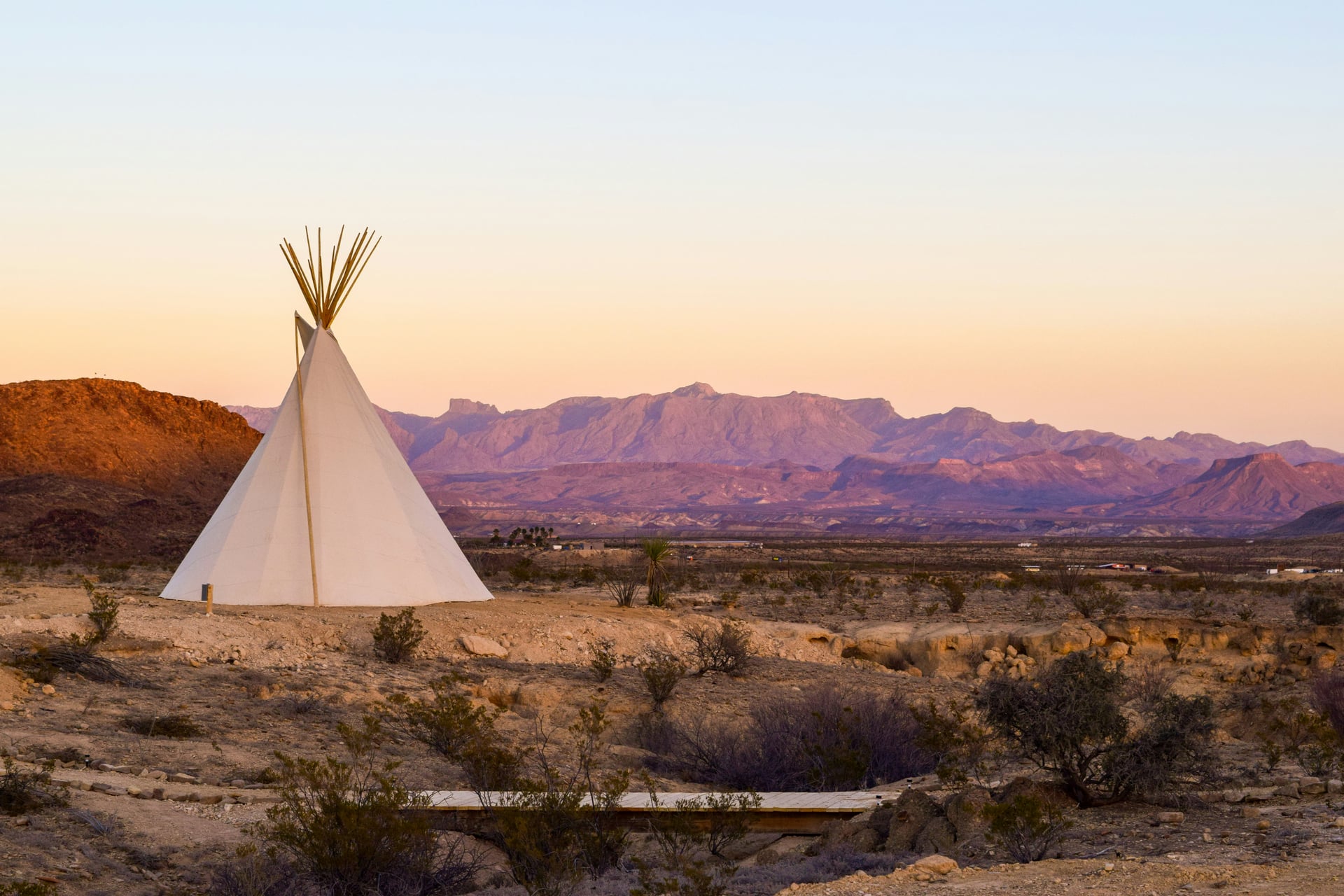
Tipi Gallery
Quick Answer
A conical tent traditionally used by Native American tribes, constructed with a framework of wooden poles covered by canvas, adapted for modern glamping accommodations offering a culturally rich and unique experience.
Understanding Tipi
Traditional tipis were constructed with a framework of long wooden poles arranged in a cone shape and covered with animal hides, typically buffalo hides. Modern glamping tipis use canvas or other durable fabric materials while maintaining the distinctive conical shape and structural design.
The tipi's conical design is both functional and symbolic. The shape is highly efficient for shedding wind and rain, and the structure can be quickly assembled and disassembled. The top of the tipi traditionally features an opening (smoke hole) that allows for ventilation and the release of smoke from interior fires, while also serving as a connection to the sky and spiritual elements.
In glamping settings, tipis are often placed on wooden platforms or decks to provide a level surface and protect the canvas from ground moisture. They can range from simple structures with basic amenities to more elaborate accommodations with comfortable beds, furniture, lighting, heating, and sometimes even small bathroom facilities.
Tipi glamping units appeal to guests seeking unique cultural experiences, those interested in Native American history and traditions, and travelers looking for distinctive accommodations that stand out from traditional options. The conical interior creates a distinctive sense of space and atmosphere.
Many glamping properties that offer tipis work to honor and respect Native American culture, either by partnering with Native communities, incorporating authentic design elements, or educating guests about the history and significance of tipis. This cultural sensitivity is important when offering tipi accommodations.
The size of tipis can vary significantly, from small structures suitable for couples to large family-sized tipis that can accommodate multiple people and furnishings. The diameter and height determine the interior space available.
Tipis require proper maintenance to ensure the canvas remains in good condition, the poles are structurally sound, and the overall structure is safe and weatherproof. They may need periodic waterproofing treatments and inspections.
Sage Outdoor Advisory includes tipi accommodations in our glamping feasibility studies and appraisals, understanding their market appeal, construction and maintenance costs, cultural considerations, and revenue potential for outdoor hospitality properties.
Examples of Tipi
- •A 20-foot diameter tipi on a wooden platform with king bed, area rug, wood-burning stove, and traditional Native American decor in a culturally-themed glamping resort
- •A family-sized tipi with multiple beds, comfortable furnishings, electricity, and outdoor fire pit in a mountain glamping destination
- •A luxury tipi featuring premium linens, modern amenities, private deck area, and educational materials about Native American culture in a high-end glamping resort
Common Use Cases
- •Creating culturally rich glamping experiences with historical significance
- •Offering unique accommodation types that differentiate a property
- •Appealing to guests interested in Native American culture and history
Related Services
Frequently Asked Questions About Tipi
What's the difference between a tipi and other tent structures?
Tipis have a distinctive conical shape with a framework of poles meeting at the top, creating a circular base that tapers to a point. They differ from bell tents (circular with central pole), safari tents (rectangular with straight walls), and other tent types. Tipis also have cultural significance as traditional Native American dwellings.
Are there cultural considerations when offering tipi glamping?
Yes, it's important to respect Native American culture when offering tipi accommodations. This may include partnering with Native communities, using authentic designs respectfully, educating guests about tipi history and significance, and avoiding cultural appropriation. Many properties work with Native consultants or communities.
What amenities can tipi glamping units include?
Tipi glamping units can range from basic with simple beds and minimal furnishings to more elaborate setups with comfortable beds, furniture, lighting, heating (including wood stoves), electricity, and sometimes small bathroom facilities. The level of amenities depends on the property's positioning and target market.
Need Help with Your Outdoor Hospitality Project?
Our experts can help you understand how tipi applies to your project.
Schedule Free Consultation