
Glamping
What is a Canvas Tent?
Author: Sage Outdoor Advisory
Quick answer
A broad historical category of durable canvas shelters. In Sage taxonomy, Canvas Tent is retired as a catch-all — classify furnished canvas into Bell Tent, Safari Tent (wall/safari frame), Cabin Tent, or Tipi.
Understanding Canvas Tent
A canvas tent is a shelter made from heavy-duty canvas fabric, a material known for its durability, breathability, and traditional camping aesthetic.
Sage taxonomy (updated): Canvas Tent is no longer used as a storage catch-all. Furnished canvas inventory should be one of four structural types: Bell Tent, Safari Tent (also called wall tent), Cabin Tent (portable straight-wall / tent-cabin / tentalow hybrids), or Tipi. Ambiguous “tent” / “glamping tent” / “luxury tent” labels without structural cues should not invent a type.
Canvas, typically made from cotton or cotton-blend materials, offers several advantages over synthetic tent fabrics. It's highly breathable, allowing moisture to escape and preventing condensation buildup. Canvas is also durable and can withstand years of use when properly maintained. The material provides good insulation, keeping tents warmer in cold weather and cooler in hot weather compared to synthetic alternatives.
In glamping settings, canvas structures come in those four structural forms — plus hybrids such as tent-cabins — and can be simple single-room structures or elaborate multi-room accommodations with separate sleeping, living, and bathroom areas.
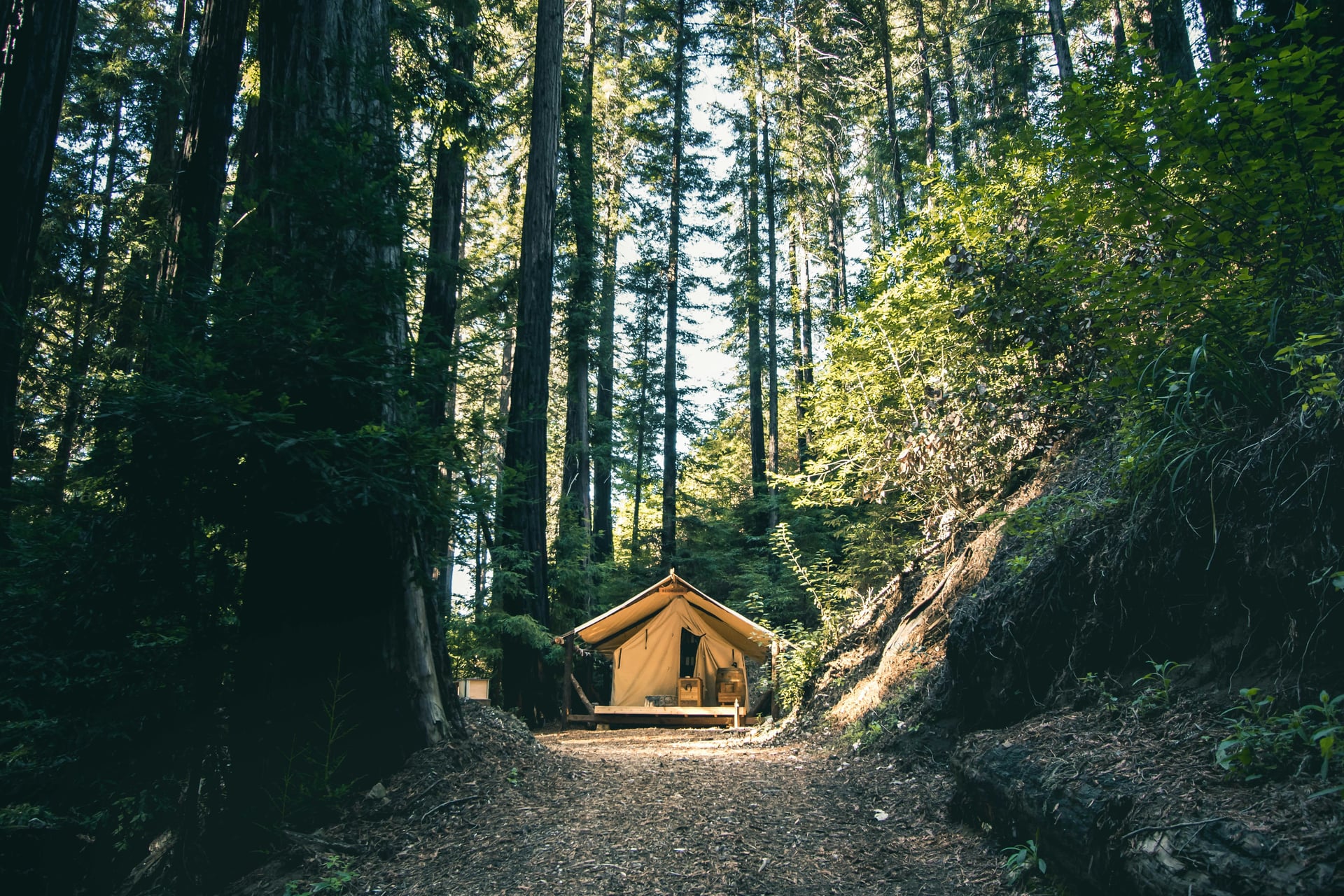
Glamping canvas tents are often placed on raised wooden platforms or decks to provide a level surface, protect the canvas from ground moisture, and create a more permanent feeling. They may include features such as windows with screens, mesh panels for ventilation, zippered doors, and sometimes even wood-burning stoves or heating systems.
Canvas tents can be outfitted with electricity, lighting, comfortable beds with premium linens, furniture, rugs, and decorative elements. Some luxury canvas tents include en-suite bathroom facilities, while others may have shared bathroom facilities nearby.
The maintenance of canvas tents requires attention to prevent mold and mildew, ensure proper waterproofing, and maintain structural integrity. Canvas needs to be kept dry when stored and may require periodic treatment with waterproofing solutions.
Canvas tents appeal to glamping guests who want an authentic outdoor experience with the comforts of modern amenities. They provide the traditional camping atmosphere while eliminating the need for guests to bring their own equipment.
Sage Outdoor Advisory includes canvas tent accommodations in our glamping feasibility studies and appraisals, analyzing their costs, market appeal, maintenance requirements, and revenue potential for outdoor hospitality properties.
Sage taxonomy (updated): Canvas Tent is no longer used as a storage catch-all. Furnished canvas inventory should be one of four structural types: Bell Tent, Safari Tent (also called wall tent), Cabin Tent (portable straight-wall / tent-cabin / tentalow hybrids), or Tipi. Ambiguous “tent” / “glamping tent” / “luxury tent” labels without structural cues should not invent a type.
Canvas, typically made from cotton or cotton-blend materials, offers several advantages over synthetic tent fabrics. It's highly breathable, allowing moisture to escape and preventing condensation buildup. Canvas is also durable and can withstand years of use when properly maintained. The material provides good insulation, keeping tents warmer in cold weather and cooler in hot weather compared to synthetic alternatives.
In glamping settings, canvas structures come in those four structural forms — plus hybrids such as tent-cabins — and can be simple single-room structures or elaborate multi-room accommodations with separate sleeping, living, and bathroom areas.
Glamping canvas tents are often placed on raised wooden platforms or decks to provide a level surface, protect the canvas from ground moisture, and create a more permanent feeling. They may include features such as windows with screens, mesh panels for ventilation, zippered doors, and sometimes even wood-burning stoves or heating systems.
Canvas tents can be outfitted with electricity, lighting, comfortable beds with premium linens, furniture, rugs, and decorative elements. Some luxury canvas tents include en-suite bathroom facilities, while others may have shared bathroom facilities nearby.
The maintenance of canvas tents requires attention to prevent mold and mildew, ensure proper waterproofing, and maintain structural integrity. Canvas needs to be kept dry when stored and may require periodic treatment with waterproofing solutions.
Canvas tents appeal to glamping guests who want an authentic outdoor experience with the comforts of modern amenities. They provide the traditional camping atmosphere while eliminating the need for guests to bring their own equipment.
Sage Outdoor Advisory includes canvas tent accommodations in our glamping feasibility studies and appraisals, analyzing their costs, market appeal, maintenance requirements, and revenue potential for outdoor hospitality properties.
Examples
- A large canvas wall tent on a platform with king bed, sitting area, wood stove, and outdoor deck in a mountain glamping resort
- A family-sized canvas tent with multiple rooms, full bathroom, kitchenette, and premium furnishings in a forest glamping destination
- A simple canvas tent with comfortable bed, area rug, and string lights, positioned near shared bathroom facilities in a budget-friendly glamping resort
Common use cases
- Creating authentic tent camping experiences with modern amenities
- Offering flexible, seasonal glamping accommodations
- Providing cost-effective glamping options with traditional appeal
Related services
Frequently asked questions
- What's the difference between a canvas tent and a safari tent?
- Canvas Tent is a retired catch-all in Sage data. Furnished canvas should be Bell Tent, Safari Tent (straight walls + rigid frame / wall tent), Cabin Tent (portable straight-wall / tent-cabin), or Tipi. A Safari Tent is the rigid-frame, often semi-permanent wall/safari product used for high-end glamping.
- What are the advantages of canvas tents over synthetic tents?
- Canvas tents offer better breathability, reducing condensation. They provide superior insulation, keeping interiors warmer in cold weather and cooler in hot weather. Canvas is also more durable and provides a traditional, authentic camping aesthetic that many glamping guests prefer.
- How do you maintain canvas tents for glamping?
- Canvas tents require keeping them dry when stored, periodic waterproofing treatments, checking for and repairing any tears or damage, ensuring proper ventilation to prevent mold, and maintaining guy ropes and structural elements. Regular cleaning and proper storage extend their lifespan significantly.
- Can canvas tents be used year-round for glamping?
- Canvas tents can be used year-round with proper insulation, heating systems (like wood stoves), and weatherproofing. However, they're most popular in temperate climates and may require additional amenities for extreme cold or hot weather conditions.
Need help with your outdoor hospitality project?
Our experts can help you understand how Canvas Tent applies to your project.
Get In Touch